Warehouse Automation Trends 2026 for Growing Businesses

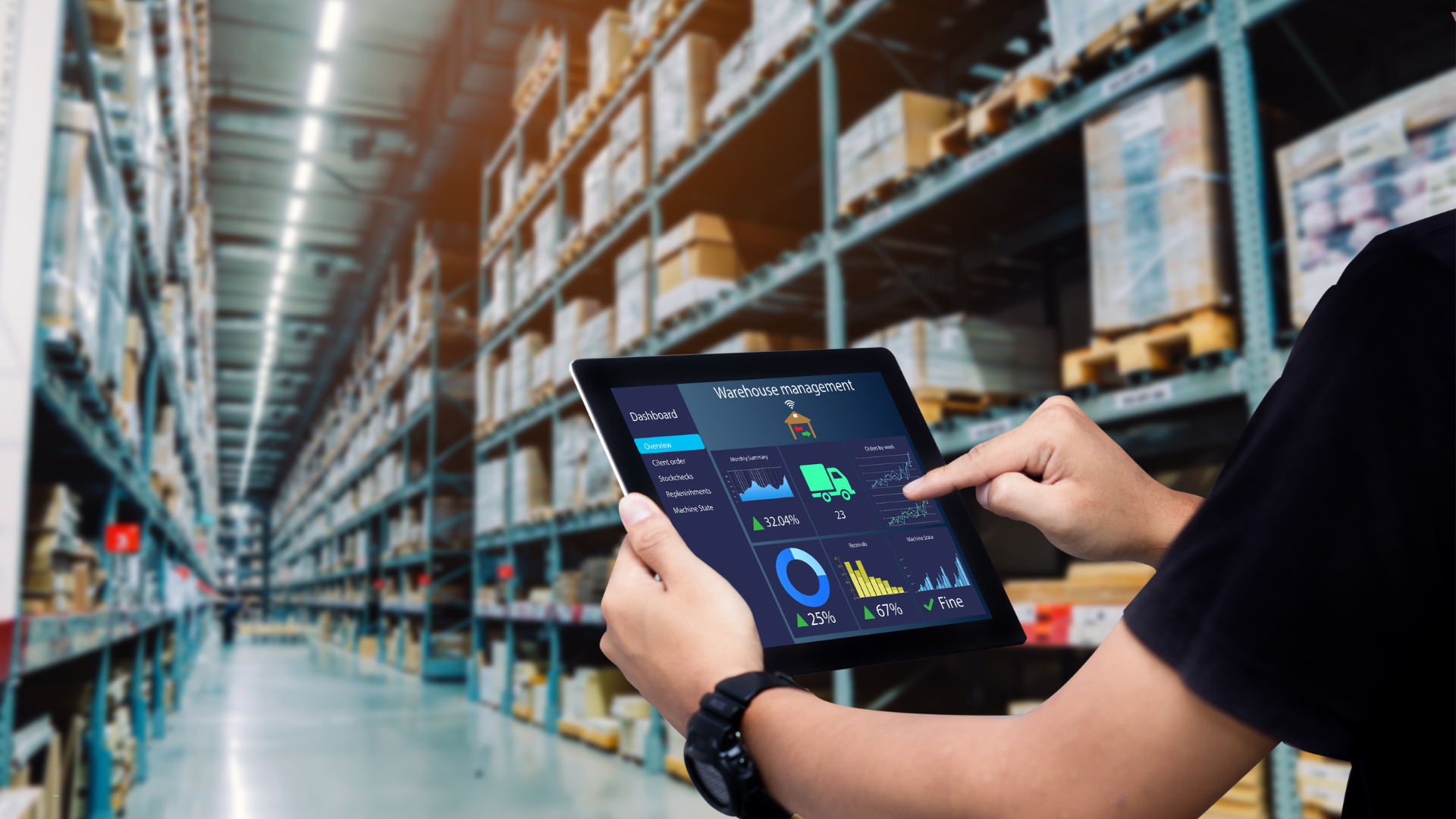
Warehouse worker operating a mobile picking robot in a mid-size distribution centre

Tiernan O'Connor

Director of Customer Success

Originally published: Sep 11, 2026

Last updated: Sep 11, 2026

Most coverage of warehouse automation trends centres on Amazon's 200,000 warehouse robots or Alibaba's fully automated facilities, examples that have very little to do with what a mid-market Australian business can actually put into practice. Warehouse automation trends in 2026 are actually moving in a direction that makes automation genuinely accessible to smaller operations, not just the handful of companies with enterprise-scale capital to spend. For a business running a NetSuite warehouse management system, the practical question isn't whether to chase Amazon-style robotics, it's which of these shifts are actually worth acting on this year.

This guide covers:

  • What's genuinely changed in warehouse automation for 2026, without the enterprise-only examples
  • Why Robotics-as-a-Service has changed who can afford automation
  • What this looks like in practice for a business already running NetSuite

What's Actually Changing in Warehouse Automation in 2026

Warehouse automation in 2026 refers to the use of robotics, AI-driven software, and connected sensors to handle physical warehouse tasks and coordinate them in real time, rather than running them as separate, disconnected systems. The shift worth paying attention to isn't more robots, it's robots and software that are finally affordable and accessible for businesses well below enterprise scale.

For most of the last decade, automation meant a large upfront capital investment: conveyor systems, fixed robotics, and infrastructure that only made financial sense at serious volume. That's changing on two fronts, one financial and one technical.

Robotics-as-a-Service

The single biggest shift for mid-sized operations is Robotics-as-a-Service, or RaaS. Instead of purchasing robots outright, businesses pay a predictable monthly fee that bundles hardware, software, and maintenance, turning what used to be a large capital expense into an operating cost. ABI Research projects global spending on warehouse management software, the systems that make Robotics-as-a-Service viable at scale, will surpass US$5 billion in 2026 and top US$10 billion by 2030.

This shift is crucial because it eliminates the primary obstacle that previously prevented mid-market companies from adopting automation. Facilities that were unable to commit to a six-figure capital outlay for traditional conveyor systems can now leverage a subscription model—one that aligns directly with operational volume and offers the flexibility to scale or upgrade without absorbing sunk equipment costs.

AI-Driven Orchestration and Forecasting

The second major shift is software, not hardware. Rather than robots and warehouse management systems operating as separate tools, AI is increasingly coordinating picking sequences, replenishment timing, and workload balancing across a warehouse in real time. According to the 2026 MHI and Deloitte Annual Industry Report, 71% of supply chain leaders now say AI is disrupting their operations, and 39% rate robotics and automation's impact as significant or greater, up 16 percentage points from the year before.

For a business managing inventory across multiple locations, this shows up in practical terms: demand forecasting that adjusts as sales patterns shift, rather than running off last year's numbers, and stock movement decisions that happen automatically instead of waiting for someone to notice a discrepancy.

An AI Layer for Businesses Already Running NetSuite

For businesses that have already put a solid NetSuite foundation in place, there's a separate development worth knowing about. TaskDrive AI is an independent AI operating layer for NetSuite.

Where this guide's AI-driven orchestration trend shows up inside a warehouse management system itself, TaskDrive AI works a layer above it: once NetSuite is genuinely the single source of truth for inventory, orders, and financials, TaskDrive AI lets finance and operations teams query and act on that data directly, rather than waiting on a manually built report to get an answer.

TaskDrive AI isn't a NetSuite module, it's a separate company built on the same NetSuite expertise. If an AI layer over your existing NetSuite environment is something worth exploring, visit taskdrive.ai to see what that looks like.

Why This Matters for Australian Businesses Right Now

Australian warehousing demand is growing faster than most businesses are prepared for. IMARC Group's Australia Warehousing and Storage Market Report values the market at USD 19.8 billion in 2025, projected to reach USD 36.7 billion by 2034. That growth is being driven by the same pressures showing up in day-to-day operations for businesses in wholesale distribution: e-commerce volume that keeps climbing, customer expectations around delivery speed that keep tightening, and margins that don't leave much room for manual inefficiency to hide in.

None of this means every business needs to invest in robotics this year. It does mean that the businesses still running warehouse operations on manual counts and disconnected systems are competing against others who are steadily closing that gap, and the cost of falling further behind compounds the longer it's left unaddressed.

What This Looks Like for a NetSuite-Run Warehouse

Automation doesn't have to mean ripping out existing systems and starting over. For a business already running NetSuite, the practical path is usually integration, not replacement: NetSuite's warehouse management system and advanced inventory management capabilities are built to connect with a business's existing or planned automation investment, whether that's barcode and RFID-based stock tracking today or a RaaS robotics contract down the track.

This is also where a longer-term view matters more than most businesses give it credit for.

"It's not about where they are today. Where are the products going to be in five years? If you look 10 years ago at Pronto and NetSuite side-by-side, people would say they're about the same. Now when those two products look side by side, you can't even compare." - Tiernan O'Connor, Director of Customer Success

The businesses that get real value from automation trends tend to be the ones treating their core systems, inventory, warehouse management, and financials, as the foundation automation gets built on top of, not an afterthought bolted on once the robotics contract is signed. Working with a NetSuite implementation partner that understands both the platform and the operational side of warehousing makes that sequencing easier to get right the first time.

Getting Started

The warehouse automation trends worth paying attention to in 2026 aren't the enterprise-scale robotics stories that dominate the headlines. They're the shifts that have made automation financially and operationally accessible to mid-market businesses for the first time: Robotics-as-a-Service removing the capital barrier, and AI-driven software making better use of the systems already in place.

Based on our experience with 250+ implementations, the businesses that get the most value from these trends are the ones with a solid inventory and warehouse management foundation already in place, since automation amplifies whatever system it's built on top of, for better or worse.

If you're evaluating what warehouse automation actually makes sense for your business, book a free NetSuite consultation to talk through where your current systems stand and what's genuinely worth prioritising.


FAQs

What is warehouse automation and how has it changed in 2026?
Is warehouse automation only for large enterprises, or can mid-sized businesses use it too?
Does NetSuite integrate with warehouse automation and robotics systems?
What's the difference between warehouse automation and a warehouse management system?

Need Expert Guidance?

Our NetSuite consultants are here to help you make the right decision for your business.

1800 197 403

info@dwr.com.au

Schedule Consultation

Trusted by 200+ Australian BUsinesses

NetSuite Implementation

System Optimisation

Project Recovery

Ongoing Support

Most coverage of warehouse automation trends centres on Amazon's 200,000 warehouse robots or Alibaba's fully automated facilities, examples that have very little to do with what a mid-market Australian business can actually put into practice. Warehouse automation trends in 2026 are actually moving in a direction that makes automation genuinely accessible to smaller operations, not just the handful of companies with enterprise-scale capital to spend. For a business running a NetSuite warehouse management system, the practical question isn't whether to chase Amazon-style robotics, it's which of these shifts are actually worth acting on this year.

This guide covers:

  • What's genuinely changed in warehouse automation for 2026, without the enterprise-only examples
  • Why Robotics-as-a-Service has changed who can afford automation
  • What this looks like in practice for a business already running NetSuite

What's Actually Changing in Warehouse Automation in 2026

Warehouse automation in 2026 refers to the use of robotics, AI-driven software, and connected sensors to handle physical warehouse tasks and coordinate them in real time, rather than running them as separate, disconnected systems. The shift worth paying attention to isn't more robots, it's robots and software that are finally affordable and accessible for businesses well below enterprise scale.

For most of the last decade, automation meant a large upfront capital investment: conveyor systems, fixed robotics, and infrastructure that only made financial sense at serious volume. That's changing on two fronts, one financial and one technical.

Robotics-as-a-Service

The single biggest shift for mid-sized operations is Robotics-as-a-Service, or RaaS. Instead of purchasing robots outright, businesses pay a predictable monthly fee that bundles hardware, software, and maintenance, turning what used to be a large capital expense into an operating cost. ABI Research projects global spending on warehouse management software, the systems that make Robotics-as-a-Service viable at scale, will surpass US$5 billion in 2026 and top US$10 billion by 2030.

This shift is crucial because it eliminates the primary obstacle that previously prevented mid-market companies from adopting automation. Facilities that were unable to commit to a six-figure capital outlay for traditional conveyor systems can now leverage a subscription model—one that aligns directly with operational volume and offers the flexibility to scale or upgrade without absorbing sunk equipment costs.

AI-Driven Orchestration and Forecasting

The second major shift is software, not hardware. Rather than robots and warehouse management systems operating as separate tools, AI is increasingly coordinating picking sequences, replenishment timing, and workload balancing across a warehouse in real time. According to the 2026 MHI and Deloitte Annual Industry Report, 71% of supply chain leaders now say AI is disrupting their operations, and 39% rate robotics and automation's impact as significant or greater, up 16 percentage points from the year before.

For a business managing inventory across multiple locations, this shows up in practical terms: demand forecasting that adjusts as sales patterns shift, rather than running off last year's numbers, and stock movement decisions that happen automatically instead of waiting for someone to notice a discrepancy.

An AI Layer for Businesses Already Running NetSuite

For businesses that have already put a solid NetSuite foundation in place, there's a separate development worth knowing about. TaskDrive AI is an independent AI operating layer for NetSuite.

Where this guide's AI-driven orchestration trend shows up inside a warehouse management system itself, TaskDrive AI works a layer above it: once NetSuite is genuinely the single source of truth for inventory, orders, and financials, TaskDrive AI lets finance and operations teams query and act on that data directly, rather than waiting on a manually built report to get an answer.

TaskDrive AI isn't a NetSuite module, it's a separate company built on the same NetSuite expertise. If an AI layer over your existing NetSuite environment is something worth exploring, visit taskdrive.ai to see what that looks like.

Why This Matters for Australian Businesses Right Now

Australian warehousing demand is growing faster than most businesses are prepared for. IMARC Group's Australia Warehousing and Storage Market Report values the market at USD 19.8 billion in 2025, projected to reach USD 36.7 billion by 2034. That growth is being driven by the same pressures showing up in day-to-day operations for businesses in wholesale distribution: e-commerce volume that keeps climbing, customer expectations around delivery speed that keep tightening, and margins that don't leave much room for manual inefficiency to hide in.

None of this means every business needs to invest in robotics this year. It does mean that the businesses still running warehouse operations on manual counts and disconnected systems are competing against others who are steadily closing that gap, and the cost of falling further behind compounds the longer it's left unaddressed.

What This Looks Like for a NetSuite-Run Warehouse

Automation doesn't have to mean ripping out existing systems and starting over. For a business already running NetSuite, the practical path is usually integration, not replacement: NetSuite's warehouse management system and advanced inventory management capabilities are built to connect with a business's existing or planned automation investment, whether that's barcode and RFID-based stock tracking today or a RaaS robotics contract down the track.

This is also where a longer-term view matters more than most businesses give it credit for.

"It's not about where they are today. Where are the products going to be in five years? If you look 10 years ago at Pronto and NetSuite side-by-side, people would say they're about the same. Now when those two products look side by side, you can't even compare." - Tiernan O'Connor, Director of Customer Success

The businesses that get real value from automation trends tend to be the ones treating their core systems, inventory, warehouse management, and financials, as the foundation automation gets built on top of, not an afterthought bolted on once the robotics contract is signed. Working with a NetSuite implementation partner that understands both the platform and the operational side of warehousing makes that sequencing easier to get right the first time.

Getting Started

The warehouse automation trends worth paying attention to in 2026 aren't the enterprise-scale robotics stories that dominate the headlines. They're the shifts that have made automation financially and operationally accessible to mid-market businesses for the first time: Robotics-as-a-Service removing the capital barrier, and AI-driven software making better use of the systems already in place.

Based on our experience with 250+ implementations, the businesses that get the most value from these trends are the ones with a solid inventory and warehouse management foundation already in place, since automation amplifies whatever system it's built on top of, for better or worse.

If you're evaluating what warehouse automation actually makes sense for your business, book a free NetSuite consultation to talk through where your current systems stand and what's genuinely worth prioritising.

Download the Ultimate Buyers Guide to NetSuite ERP

Navigating the diverse landscape of ERP software solutions can be daunting. With the NetSuite Buyer's Guide, you'll gain access to insider knowledge that empowers you to make the best decisions for your company.

Download the Guide